Skip Hire in Edmonton

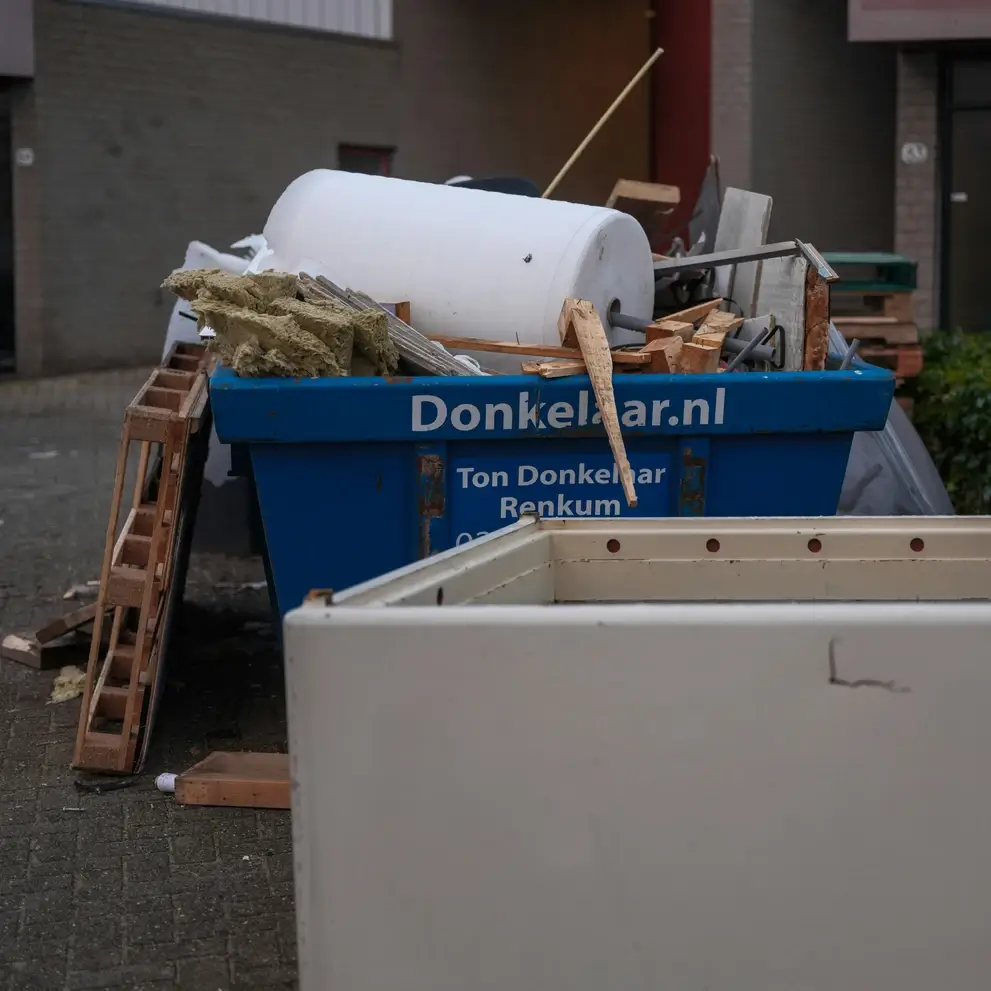
Skip hire in Edmonton gives households, landlords, trades and businesses a practical way to manage bulky waste, renovation debris and mixed rubbish without overloading bins or making repeated trips to the tip. Our service is centred on clear, straightforward skip hire with options that suit different loads, access arrangements and project stages. Whether you are clearing a property, tackling a strip-out or dealing with ongoing site waste, the aim is to keep disposal organised, compliant and easy to plan.
We support a range of skip sizes and related waste-handling choices so you can match the container to the work rather than making the work fit the container. That includes guidance on typical materials, loading limits and which jobs are better suited to a skip instead of an alternative waste service. If you are comparing options, you can also review skip sizes and prices for a better sense of how the service is structured before you request a quotation.
If you already know the kind of waste you need to remove, the quickest next step is to choose the right service route and ask for a quote. For many customers, a simple conversation about the job is enough to narrow things down. Start with the load, the access and the timing, then build the booking around that. If you want to get moving, request a quotation and we will take it from there.
Domestic and property clearance skips
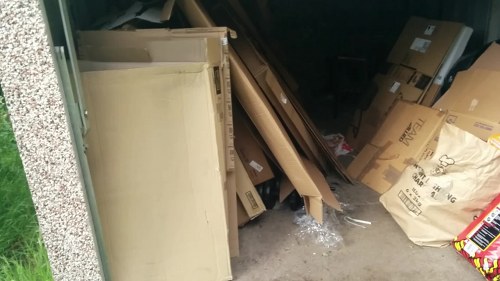
Domestic skip hire is often used for loft clear-outs, kitchen rip-outs, bathroom refurbishments and general decluttering. It gives you a single place to keep waste together while you work, which is especially useful when several kinds of material come out of the same room. For a house move, a spring clean or a landlord turnover, a skip can help separate reusable items from the rubbish that needs lawful disposal. If the job is mainly domestic, domestic skip hire is the most direct place to look.
Some jobs are better described by the type of clearance rather than the setting. A garage filled with broken fittings, old packaging and leftover fixtures may suit garage and loft clearance, while a full property emptying can call for house clearance if the scale goes beyond a simple skip load. The right choice depends on whether you want a container on site, a crew to remove items, or a mixture of both approaches.
When planning domestic waste removal, it helps to think about the shape of the load as well as the amount. Heavy building rubble, mixed furniture, garden waste and black bag waste all behave differently in the skip, so a good plan can prevent wasted space and unnecessary delays. If you are not sure which option fits best, send over the details and ask for a quotation. It is usually easier to compare properly once the waste type is clear.
Builders’ and construction waste removal

Trade work usually needs a faster and more structured waste solution than an ordinary clear-out. Our builders’ skips are suited to renovation debris, plasterboard, timber offcuts, packaging, broken fixtures and other materials that arise during a project. For a focused trade container, builders skip hire is a practical starting point, especially when you want the waste kept in one place between deliveries, installations or demolition stages.
For heavier or mixed site waste, construction-focused pages can help you choose between options. construction waste clearance is useful when the priority is taking material away efficiently, while construction waste disposal is a straightforward route when you already know the waste must be removed and handled properly. Demolition work can create a sharper mix of rubble, timber and metal, so demolition waste removal may suit a more specific project profile.
Trade customers often need the waste plan to match how the site actually works, not how it looks on paper. Access for loading, space for the container, and the type of debris all matter. Heavy material can fill a skip faster than expected, while light waste can occupy more room than its weight suggests. If you are comparing the service for a refurbishment or strip-out, builders waste removal may also be relevant alongside a skip-based solution.
Specialist skip and loading options
Not every site has the same space, access or loading routine, so specialist skip options can make the job simpler. wait and load skip hire is designed for situations where a skip cannot stay on site for long or where a quick loading window is more suitable than a longer placement. That can be helpful where access is restricted, roadside storage is limited or a temporary set-down is all you need.
Some customers prefer a more secure container. enclosed and lockable skip hire is a sensible choice when the waste needs extra containment or when loose material should be kept covered. For projects that move quickly and produce waste in short bursts, same day skip hire may be worth considering if the timing aligns with what is available. These options are best chosen for the way the site actually operates, rather than by size alone.
If you have a difficult loading area, consider the access route before deciding. A skip that is theoretically large enough may still be awkward if the entrance, driveway or road position is tight. In those cases, a different arrangement can save time and reduce handling. The most useful next step is often a short discussion of the site layout, followed by a quotation that reflects the practical constraints rather than a generic assumption.
Garden, outdoor and mixed rubbish loads
Outdoor clearances often create a mixture of green waste, soil, broken fencing, old sheds and general rubbish, so a flexible disposal plan is useful. garden waste removal is well suited to pruning waste, turf, branches and similar material, while a broader skip can handle mixed debris from landscaping or exterior repairs. If the project includes heavier spoil or excavation material, it may be better to look at muck away services rather than trying to force everything into a standard load.
For customers who are dealing with waste from several sources at once, it helps to sort out what is reusable, what is recyclable and what needs disposal. That can include broken garden furniture, packaging, offcuts, old plant pots and waste from a shed or boundary upgrade. In some cases, site clearance gives a better fit than a simple household skip because it covers a wider range of mixed outdoor material and can help with tidying a whole work area.
To make a good decision, think about the soft waste and the hard waste separately. Green material compacts differently from timber, brick or soil, and mixed loads may need a more careful estimate. If you are not certain how much will be produced, make a note of the main materials and the likely work stages. That gives a clearer basis for a quotation and reduces the chance of choosing a skip that is either too small or unnecessarily large.
About Edmonton
Edmonton is a district in north London, within the London Borough of Enfield, and its identity has been shaped by both long-settled residential streets and significant transport corridors. Historically part of Middlesex, it appears in records going back many centuries, and its name is associated with the River Lea valley and the older settlement pattern that grew around the route north from London. The area includes a mix of Victorian and later suburban housing, which gives much of Edmonton its layered street character. Alongside these residential parts are busy roads, local shopping parades and civic spaces that reflect the district’s role as a lived-in part of outer London rather than a single-purpose centre. The geography is equally important: Edmonton sits close to the Lea Navigation and a network of waterways, open spaces and managed parks that connect it to the wider valley landscape. Pymmes Park is one of the best-known green spaces in the district, offering mature trees, water features and paths that sit within the urban grain. The area also includes access to the A10 corridor and rail links that have helped shape movement through the district over time. Cultural life is varied, with everyday retail, community facilities, faith buildings and local sports provision all contributing to a practical but distinctive place identity. Nearby regeneration and changing housing patterns have also influenced how the area feels, but Edmonton still retains the feel of an established north London district with a strong connection between its older streets, its transport routes and its green edges.
Commercial skip hire for ongoing work
Commercial customers often need waste removal to fit around trading hours, deliveries and active premises, so the service needs to stay predictable. Skip hire can support shops, offices, hospitality premises, warehouses and maintenance teams that produce packaging, fit-out waste or general refurbishment debris. For business settings, commercial skip hire is a straightforward option when you need the container available without turning the waste problem into a daily distraction.
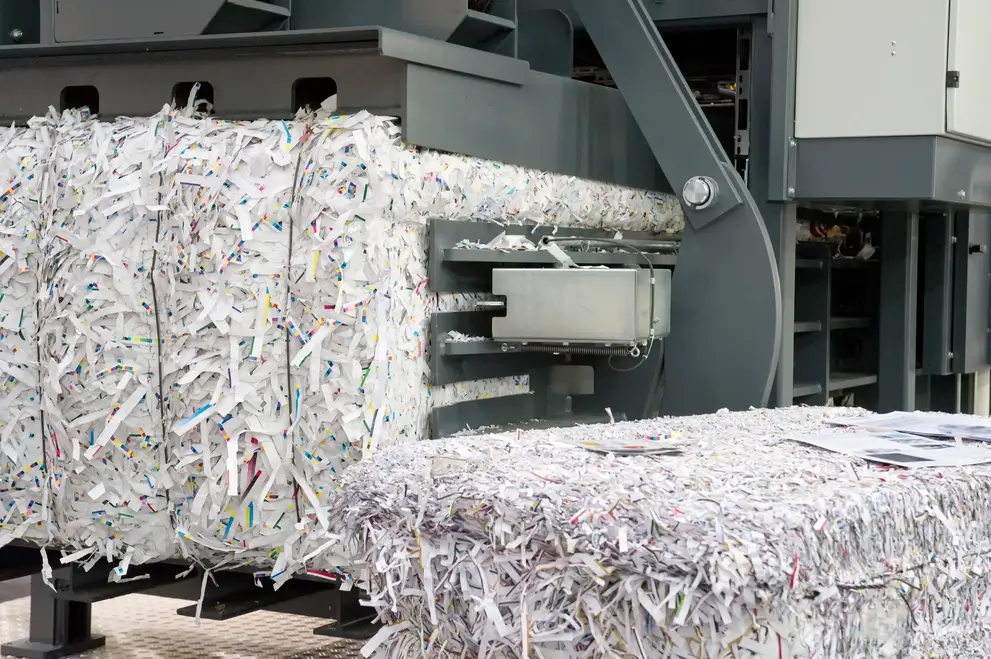
Office refits and workplace clear-outs can also create mixed waste streams that are not always suitable for ordinary bins. Desks, chairs, shelving, archiving waste and packaging often need a planned removal route, which is where office clearance can work alongside a skip where appropriate. In some projects, confidential material requires a separate approach, so confidential shredding may be relevant where paperwork must be handled carefully and kept apart from general rubbish.
If your business produces waste regularly, it is worth planning the practical details early: where the container can sit, how loading will happen and what type of material is likely to arrive first. A quote is easiest to prepare when the load is described clearly, especially if the job involves more than one waste stream. For a mixed commercial project, a calm, accurate estimate is usually better than a rushed guess.
Waste types, recycling and permitted loads
Different waste types need different handling, and a sensible skip hire choice starts with knowing what can go in. what can go in a skip is useful when you want to understand the basics before loading begins, especially if the job includes mixed rubbish or leftover materials from a refurbishment. The more clearly the waste is separated at source, the easier it is to keep the load efficient and reduce avoidable complications.
Recycling and sorting also matter for customers who want the disposal route to be more than just a one-off collection. waste recycling services and recycling and sustainability are relevant when material can be diverted away from general disposal and handled in a more resource-conscious way. These pages can help you see how the service fits alongside broader waste handling, especially for loads with a high proportion of recyclable material.
One clear rule helps most projects: separate the obvious problem items before the container arrives or before loading starts. That saves time and makes it easier to decide whether a skip, a removal service or a specialist waste route is best. If you are working with a mixed load, note the main material types and raise any concerns early so the quotation matches the waste properly.
Permits, access and practical planning
Some skip placements need a permit, especially if the container is likely to sit on a public road or in a shared access area. skip permits and skip hire permits are useful pages when you need to understand the practical side of placing the skip legally and safely. Planning this at the outset is important because access, parking and location can affect whether the skip can be delivered where you first expected.
Price is usually shaped by several factors rather than a single number. The size of the container, the type of waste, the duration of hire and any special placement requirements can all influence the quotation. For that reason, it helps to be precise about the load rather than asking for a generic estimate. If your project is straightforward, pricing and quotes is a useful page to explore before you go ahead.
When preparing to enquire, two details are especially valuable: the approximate amount of waste and the kind of material involved. A few photographs or a short description can help clarify the job, but they should support the conversation rather than replace it. If the site is awkward or the access is tight, mention that too. It is better to shape the plan around reality than to discover a problem on delivery day.
Other disposal services that may suit a project
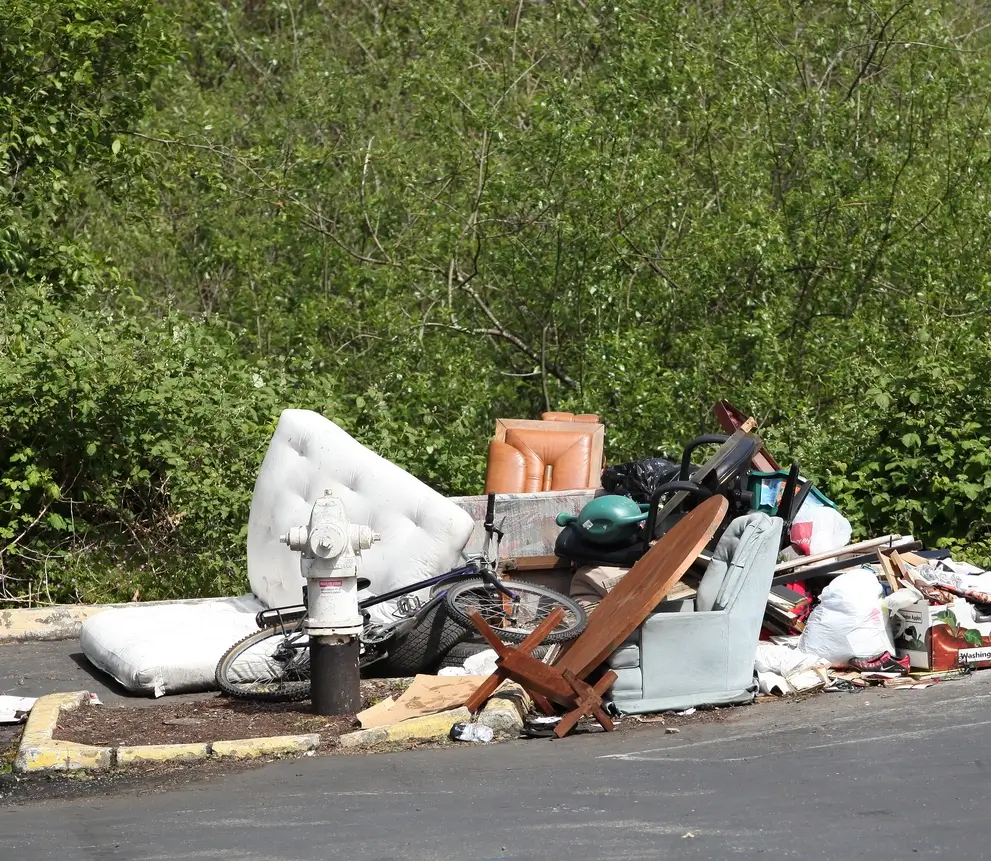
Sometimes skip hire is the best answer; sometimes a different waste route is more efficient. For bulky individual items or smaller loads that do not justify a container, rubbish removal may be a better fit. If you are clearing heavy domestic items such as an old fridge, sofa or mattress, specialised pages like fridge and appliance removal and mattress and sofa disposal can be relevant for understanding those waste streams separately.
Where a project involves large volumes of excavated or loose material, grab hire services or grab lorry hire may suit the load better than a static skip. These options are particularly useful when the waste is mainly spoil, hardcore or other material that is easier to collect directly from the access point. For some mixed jobs, man and van can also be a practical alternative where flexible removal is more important than a container on site.
If you are unsure which route is most economical for the task, compare the waste type first and then choose the method that suits it best. A good quotation should reflect the actual job, not just the nearest generic service. Ask for the option that matches the material, and you will usually end up with a more workable plan.
Request a quote for skip hire in Edmonton
Choosing a skip should feel manageable, not complicated. Once you know the main waste type, the likely volume and the access conditions, it becomes much easier to decide on the right service and avoid unnecessary back-and-forth. We keep the process focused on the practical details that matter to your job, whether it is a domestic clear-out, a trade project or a more specialist load. If you want to move ahead, request a quotation and give a brief outline of the waste you need removed.
For some customers, the next step is simply to compare skip sizes; for others, it is to check whether a permit, a different loading method or a more specialised waste route is needed. That is why the service pages are arranged around real project types rather than vague categories. You can review skip hire for the main service, or use book online when you are ready to proceed with the details. Either way, the aim is to make the waste plan clear before the container arrives.
If you are ready to go ahead, send the key information and ask for a quote today. We will help you match the service to the job, so the waste is handled in a way that is practical, lawful and suited to the space available. Contact us for a quotation when you are ready to get started.