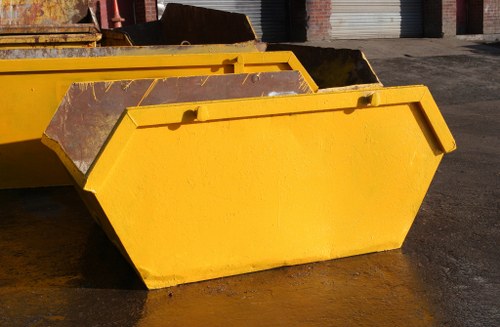
Health & Safety Policy — Skip Hire Edmonton
This policy sets out the commitment of our skip hire operation to maintain safe working conditions for staff, contractors and members of the public. Our skip hire services are operated with clear responsibilities, hazard controls and ongoing review so that the risk from handling waste and providing rubbish collection is consistently minimised.We adopt a systematic approach to risk management covering site work, vehicle movements and customer premises visits. The policy applies to all aspects of our rubbish company activity, including skip delivery, collection and on-site placement. The aim is to protect health, prevent injury and avoid environmental harm while providing quality skip hire solutions.
 All employees, sub-contractors and temporary workers must be familiar with this health and safety policy and demonstrate safe behaviour at all times. Training, supervision and competency checks support safe operations. Personal protective equipment is provided where controls cannot eliminate hazards, and correct use is mandatory during waste handling and transfer operations.
Responsibilities
Senior management has overall responsibility for ensuring that the skip hire company meets legal and organisational health and safety obligations. Managers will ensure that risk assessments are carried out and that control measures are implemented. Employees must follow guidance, report hazards and cooperate with safety procedures to maintain compliance and safety standards.Supervisors oversee vehicle loading, site access and safe placement of skips. Drivers are responsible for pre- and post-trip checks, secure load restraint and safe driving practices during rubbish removal tasks. Regular maintenance and inspection of equipment reduce the potential for mechanical failure or spillage during transport of waste loads.
We operate a permit and access procedure to protect the public and workforce when placing skips near traffic, walkways or property. A clear hierarchy of control is used: eliminate hazards where possible, substitute with safer methods, use engineering controls and rely on administrative controls and PPE when necessary.
Risk Assessment and Control Measures
Risk assessments are carried out for all routine and non-routine activities. These include site surveys before skip delivery, assessment of waste types accepted and identification of hazardous materials. Controls are recorded and reviewed to ensure effective mitigation of hazards associated with waste handling.Typical controls include safe lift procedures, manual handling training, use of mechanical aids and secure placement of skips to avoid reversing incidents. Traffic management plans are implemented for roadside deliveries, and reflective signage or cones are used where required to protect staff and road users during rubbish collection.
 A key part of our safety strategy is the safe segregation of waste types to avoid chemical reactions, fires or health risks. Combustible, hazardous and sharp items are identified and treated according to strict handling protocols. Employees receive guidance on what materials are prohibited from skips and the steps to take if hazardous waste is found.
Training and competence are essential to deliver safe skip hire services. Induction training covers company policies, emergency procedures and basic first aid. Ongoing training includes vehicle handling, safe loading, manual handling and awareness of hazardous materials. Records of training and qualifications are maintained for all staff involved in rubbish collection activities.
Emergency preparedness includes procedures for spillage, fire, injury and environmental incident response. Appropriate spill kits, fire extinguishers and first aid equipment are provided on vehicles and at main operating locations. Incident reporting, investigation and corrective action ensure lessons are learned and improvements made.
Our waste collection operations adhere to clear maintenance schedules for vehicles, lifting equipment and containment systems. Routine inspections and servicing reduce the risk of failure. When hiring or collaborating with third-party contractors, we verify their safety credentials and align their working practices with our policy.
 We maintain an active programme of monitoring and review to ensure continuous improvement in health and safety performance. Regular audits, safety meetings and site observations identify trends and areas for enhancement. Corrective actions are assigned, tracked and closed out to maintain accountability and reduce operational risk within the skip hire sector.
Operational controls include a clear waste acceptance policy, documented procedures for handling prohibited items and a chain-of-custody approach for suspect loads. Employees are encouraged to report near-misses and unsafe conditions through established channels so that preventative measures can be implemented swiftly.
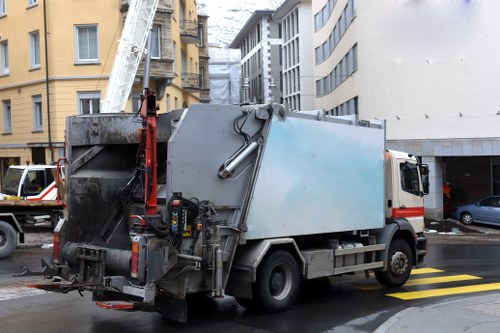 To support practical compliance, the policy sets out the following safety priorities:
- Maintaining safe vehicle operations and load security during transit;
- Ensuring correct manual handling techniques and use of lifting aids;
- Segregating hazardous waste and preventing contamination;
- Implementing traffic management for roadside or drive-on deliveries;
- Providing timely training and suitable personal protective equipment.
Accountability for the policy is held by senior management and cascaded through supervisors to front-line teams. Performance indicators and safety objectives are set and reviewed annually to ensure they remain relevant to operational risks and regulatory expectations. The policy is an integral part of our management system and is communicated to all staff.
Our stance on health and safety reflects a commitment to high standards across all skip hire operations and rubbish removal activities. Continuous improvement is pursued through worker engagement, incident analysis and adoption of best practices to reduce harm and protect the environment.
All employees and contractors are required to read and work in accordance with this policy. Non-compliance may lead to disciplinary action, with the aim of reinforcing a safety culture where everyone contributes to safer, more responsible skip hire and waste collection services.